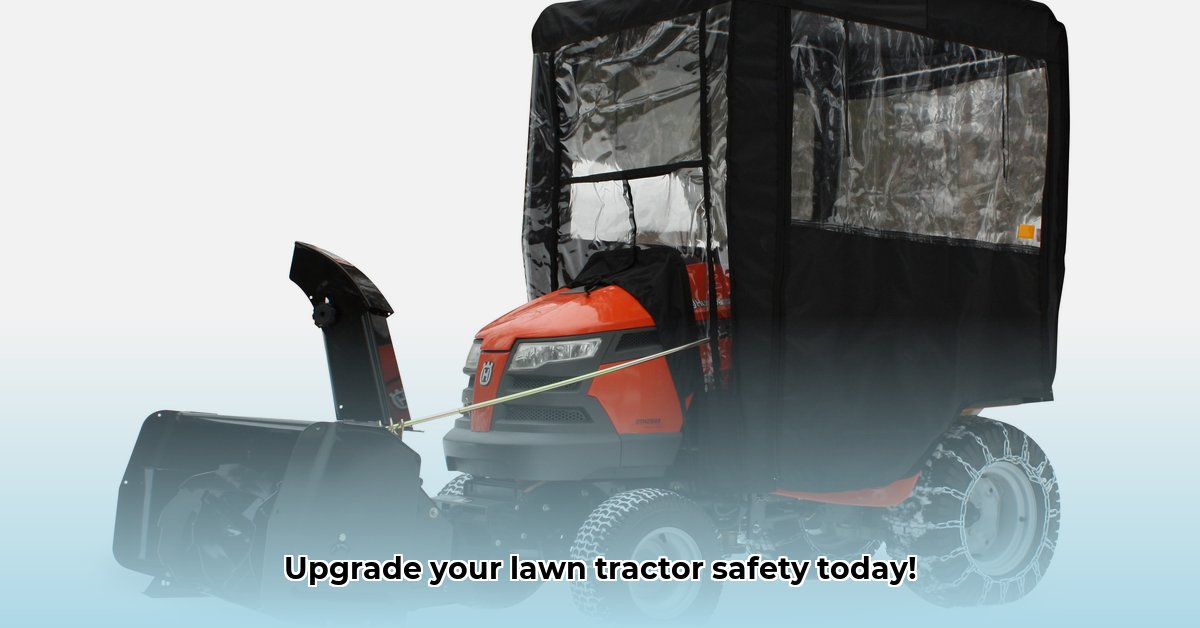
Lawn Tractor Cabs: Protecting Your Investment and Yourself
Imagine a sweltering summer day, the sun beating down, and you're battling fatigue while maneuvering your lawn tractor. Suddenly, a gust of wind nearly sends you tumbling. This isn't a fictional scenario; it underscores the very real dangers faced daily by agricultural workers. A simple but significant upgrade—a lawn tractor cab—can dramatically improve safety, comfort, and overall productivity. This isn't just about creature comforts; it’s about safeguarding your health and maximizing the efficiency of your operation and its long term sustainability. This article explores the benefits, types, and considerations for choosing the right lawn tractor cab for your needs. We'll uncover why this often-overlooked investment is crucial for a safer, more comfortable, and ultimately more sustainable future in farming. For more information on tractor cabs, see this helpful resource.
Protecting Your Most Valuable Asset: You
The physical demands of farming are undeniable. Prolonged exposure to elements, coupled with the inherent risks of operating heavy machinery, significantly impact operator health and productivity. A recent study by the National Institute for Occupational Safety and Health (NIOSH) highlighted a strong correlation between improved operator comfort and a reduction in work-related injuries. A lawn tractor cab directly addresses these challenges, shielding operators from sun, rain, wind, and airborne debris. Improved visibility, a common feature in modern cabs, further mitigates accident risks in challenging conditions. Investing in a cab isn't just about employee well-being; it's a strategic investment in improved operational efficiency and a reduction in costly downtime. But how do you choose the right one?
Types of Lawn Tractor Cabs: A Detailed Look
The market offers a surprising variety of lawn tractor cabs, each catering to different needs and budgets. The basic enclosure offers fundamental protection from the elements, typically including a windshield and roof. Moving up the scale, climate-controlled cabs provide heating and air conditioning, significantly boosting comfort and productivity, particularly in extreme weather conditions. Premium models often integrate advanced features such as soundproofing and enhanced safety systems. Let's delve into the details:
| Cab Type | Features | Price Range (USD) | Sustainability Considerations |
|---|---|---|---|
| Basic Enclosure | Windshield, roof, basic side protection, simple design | $1,000 - $3,000 | Typically uses standard materials |
| Climate-Controlled Cab | Heating, air conditioning, improved visibility, enhanced comfort | $3,000 - $8,000 | Some models incorporate recycled or sustainable materials |
| Premium Cab | Advanced features (e.g., soundproofing, enhanced safety systems), luxurious comfort | $8,000+ | Often features sustainable materials and manufacturing processes |
Material selection is also a significant factor. While steel remains prevalent, the industry is embracing sustainable alternatives, including recycled plastics and sustainably sourced wood composites. While these options may have a higher initial cost, their long-term environmental benefits and potential durability advantages make them increasingly appealing.
Navigating the Market: Trends and Considerations
The lawn tractor cab market is dynamic, reflecting a growing awareness of operator safety and sustainability. Major Original Equipment Manufacturers (OEMs) are actively incorporating cabs into their new models, emphasizing the shift towards prioritizing operator well-being. Government regulations and evolving safety standards are also driving innovation, pushing manufacturers to develop safer, more environmentally friendly cab designs. While precise market projections are challenging due to data limitations, the overall trend points toward increased demand and continued market growth. However, it is essential to consider a range of factors, including regulations, when making your purchase. A well-informed decision requires understanding several key elements.
Choosing Your Cab: A Step-by-Step Guide
Selecting the right lawn tractor cab requires careful consideration. This isn’t simply about picking the most expensive model, but making an informed decision that aligns with your needs and budget constraints. To help, we've developed a simple, straightforward guide:
- Assess Your Needs: What are your primary concerns? Extreme weather? Poor visibility? Prioritize these to narrow suitable options.
- Set a Realistic Budget: Establish a clear budget before beginning your search.
- Thorough Research: Explore different models from various manufacturers, comparing features, prices, and sustainability initiatives.
- Long-Term Cost Analysis: Factor in potential maintenance, repairs, and fuel efficiency to avoid hidden expenses.
- Safety First: Never compromise on safety; select a cab that meets all relevant safety standards and features like improved visibility.
Sustainability: An Integral Element
Sustainability is no longer a trend; it's a necessity. When selecting a cab, prioritize manufacturers committed to eco-friendly practices. Look for companies utilizing recycled materials, energy-efficient manufacturing, and sustainable packaging. While these options may incur slightly higher upfront costs, the long-term environmental and economic benefits are considerable.
Conclusion: A Collaborative Effort for a Sustainable Future
Investing in a lawn tractor cab is more than a purchase; it's a strategic investment in the long-term health, safety, and sustainability of your agricultural operation. This requires a collaborative effort:
- Farmers: Prioritize operator safety by investing in appropriate safety equipment. Regular maintenance is key to extending the lifespan and effectiveness of your investment.
- Manufacturers: Continue innovating and prioritizing sustainable materials and manufacturing processes to develop even safer, more eco-friendly cabs. Transparent communication about sustainable initiatives fosters consumer trust.
- Governments: Support robust safety standards for agricultural equipment through financial incentives and research investment to propel innovation and accessibility for farmers.
By prioritizing operator well-being and sustainable practices through informed decision-making and industry collaboration, we can establish a safer, more sustainable future for agriculture.